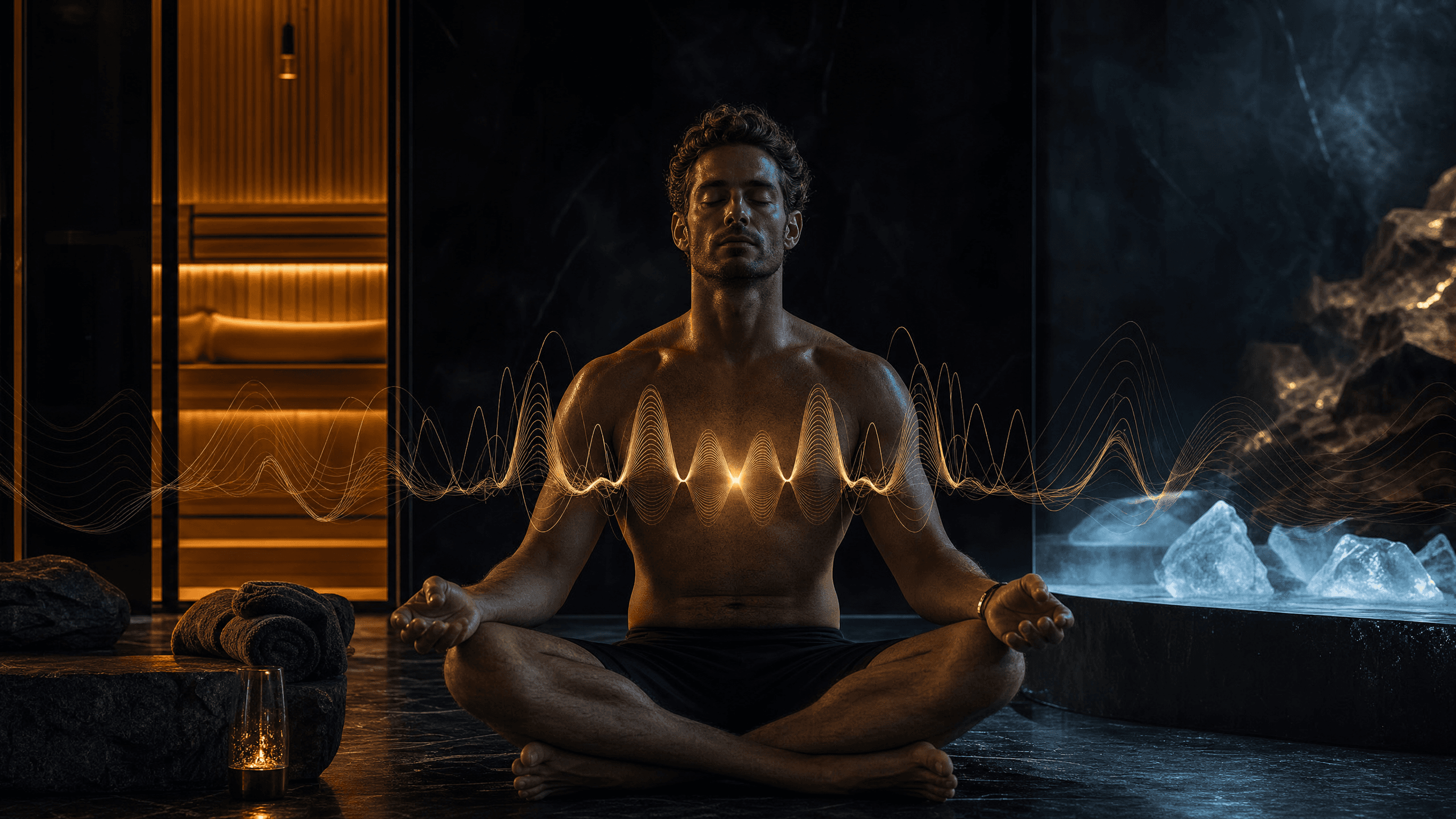
The Difference Between Stress and Distress
The word 'stress' has been so thoroughly pathologised in modern culture that we've lost sight of a fundamental biological truth: stress is not the enemy. Acute, controlled stress is the mechanism through which organisms grow stronger, more resilient, and more capable. The problem is not stress itself — it is chronic, unresolved stress that never allows the body to return to baseline.
This distinction is captured in the concept of allostatic load — the cumulative wear and tear on the body's systems from repeated or chronic stress. Every stressor, whether physical, psychological, or environmental, activates the hypothalamic-pituitary-adrenal (HPA) axis and the sympathetic nervous system. This is appropriate and necessary. The problem arises when these systems are never allowed to fully deactivate — when the body remains in a persistent low-grade state of physiological alert.
Allostatic overload — when the cumulative burden exceeds the body's capacity to adapt — is associated with accelerated ageing across virtually every biological system: cardiovascular, immune, metabolic, neurological, and endocrine. It is not metaphor to say that chronic stress ages you. It is measurable, observable, and reversible.
Continue this pillar
Build the standards behind Stress & Resilience
Take the next step with SEVYN University courses matched to this pillar, then complete the assessment so your pathway can be prioritised around your data, goals, and current capacity.
Build practical breath protocols for calm, focus, and autonomic resilience.
Use deliberate cold exposure to train stress tolerance with precision.
Protocols
- ◆Daily HRV tracking to monitor nervous system state
- ◆Physiological sigh: double inhale through nose, long exhale — immediate stress reduction
- ◆Morning cold shower (30–60 seconds) — activates norepinephrine and builds cold tolerance
- ◆Nature exposure: 20+ minutes in natural environment daily
- ◆Social connection: prioritise in-person relationships
- ◆Limit news and social media consumption to defined windows
- ◆Sauna 3–4x per week, 15–20 minutes at 80–100°C
- ◆Cold plunge or cold water immersion 2–3 minutes post-sauna
- ◆Box breathing or 4-7-8 breathing practice daily (5–10 minutes)
- ◆Ashwagandha (KSM-66 extract) 300–600mg — clinically validated cortisol reduction
- ◆Phosphatidylserine 400mg — blunts cortisol response to exercise stress
- ◆Rhodiola rosea 200–400mg — adaptogen with strong evidence base
- ◆Diurnal cortisol testing (4-point salivary cortisol) to map HPA axis function
- ◆Selank peptide — anxiolytic, reduces neuroinflammatory stress signalling
- ◆HBOT (Hyperbaric Oxygen Therapy) for severe allostatic overload recovery
- ◆Neurofeedback training for HRV biofeedback
- ◆Comprehensive adrenal function panel if chronic fatigue is present
Key Biomarkers
- ●Morning HRV (daily tracking via wearable)
- ●Cortisol awakening response (salivary cortisol at waking, +30min, +60min)
- ●Diurnal cortisol curve (4-point salivary test)
- ●DHEA-S (adrenal reserve marker)
- ●hs-CRP (high-sensitivity C-reactive protein — inflammatory load)
- ●Resting heart rate trend
Explore the Other Pillars
Begin Your Transformation
Your biology is not your destiny.
Take the SEVYN Biology Baseline assessment and discover exactly where you stand across all seven pillars, with a personalised protocol to begin reversing your biological age.
Start Your Assessment